

Teeth Whitening Sensitivity in Cypress, TX
Many Cypress patients want a brighter smile but worry about tooth sensitivity. Understanding why does teeth whitening cause sensitivity and how we prevent it in Cypress helps you make confident decisions. The good news is that sensitivity during whitening is manageable. With the right approach, you can achieve stunning results without significant discomfort.
At Emmy Dental Cypress Dentist, Dr. Shannon Pham takes a patient-first approach to every whitening treatment. We educate every patient before, during, and after the process. Knowledge is your best tool for a comfortable experience. Let us walk you through everything you need to know.
Why Teeth Whitening Causes Sensitivity in the First Place
Whitening treatments use peroxide-based bleaching agents. These agents open tiny pores called dentinal tubules in your enamel. When these pores open, nerves inside the tooth become temporarily exposed. That exposure is what triggers sensitivity.
The concentration of the bleaching agent matters greatly. Higher concentrations remove stains faster but increase sensitivity risk. Professional-grade treatments are carefully calibrated to balance effectiveness and comfort. Over-the-counter strips often lack this precision.
Pre-existing conditions also play a role. Patients with thin enamel, receding gums, or small cracks feel more sensitivity. A thorough dental exam before whitening helps identify these risk factors early. Dr. Pham always performs this evaluation before recommending any whitening plan.
Sensitivity is usually temporary. Most patients notice discomfort for 24 to 48 hours after treatment. Understanding this timeline helps reduce anxiety. Knowing it will pass makes the process far less intimidating.
How Dr. Pham and Our Cypress Team Minimize Whitening Sensitivity
Professional whitening at Emmy Dental Cypress includes several sensitivity-prevention steps. We do not simply apply gel and send you home. Every appointment involves careful preparation and monitoring. Our goal is a comfortable, effective experience every single time.
Here is what our prevention process looks like:
- Pre-treatment fluoride application — We apply fluoride to strengthen enamel before whitening begins.
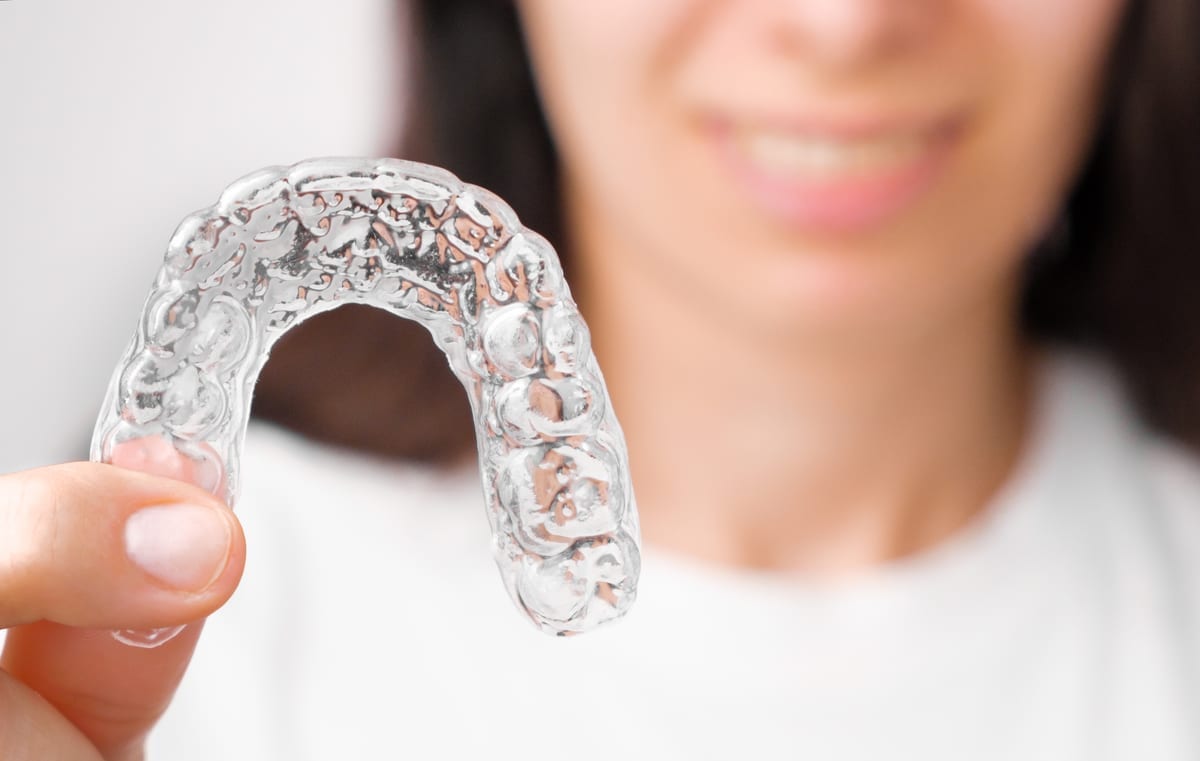
- Custom-fitted trays — Ill-fitting trays let gel seep onto gums, causing irritation. Our trays are precisely made for your mouth.
- Controlled gel concentration — Dr. Pham selects the appropriate peroxide strength based on your sensitivity history.
- Desensitizing agents — We use potassium nitrate and fluoride gels to calm nerve endings during and after treatment.
- Timed application — We never leave the whitening agent on longer than necessary for your specific case.
These steps make a real difference for sensitive patients. Professional oversight is simply not something an at-home kit can replicate. This is why in-office whitening remains the gold standard for comfort and results.
What You Can Do at Home to Reduce Sensitivity
Your at-home routine plays a big role in how comfortable whitening feels. Small changes can significantly reduce post-treatment sensitivity. Dr. Pham provides every patient with personalized aftercare instructions. Following them closely leads to much better outcomes.
Here are practical tips to manage sensitivity at home:
- Switch to a sensitivity toothpaste — Use a toothpaste containing potassium nitrate or stannous fluoride two weeks before treatment.
- Avoid temperature extremes — Skip very hot coffee or ice-cold drinks for 48 hours after whitening.
- Use a soft-bristled toothbrush — Hard bristles aggravate already-sensitive teeth and gums.
- Skip acidic foods temporarily — Citrus fruits, soda, and vinegar-based foods can worsen sensitivity post-whitening.
- Take over-the-counter pain relievers if needed — Ibuprofen taken before your appointment can reduce inflammation.
Consistency matters with these steps. Starting the sensitivity toothpaste routine early gives your enamel extra protection. Patients who follow these tips report noticeably less discomfort. A little preparation goes a long way.
Is Professional Whitening Safer Than At-Home Kits for Sensitive Teeth?
This is one of the most common questions we hear from Cypress patients. At-home whitening kits are convenient, but they carry real risks for sensitive individuals. Without professional supervision, it is easy to overuse the product. Overuse leads to enamel erosion and worsening sensitivity over time.
Professional whitening at Emmy Dental is part of a broader Cosmetic Dentistry approach. We consider your overall oral health before recommending any aesthetic treatment. Patients with existing dental concerns such as decay or gum disease need those issues addressed first. Whitening on unhealthy teeth always makes sensitivity worse.
Some patients have underlying conditions that make any whitening risky. For example, significant gum recession exposes root surfaces that lack protective enamel. Root surfaces are far more sensitive to bleaching agents. In these cases, Dr. Pham may recommend alternative cosmetic options instead.
If you have ever needed a Root Canals treatment, you may actually experience less sensitivity in that specific tooth. Root canal-treated teeth have their nerve removed. However, the surrounding teeth still need careful management during whitening. Always disclose your dental history before starting treatment.
When Sensitivity After Whitening Is a Warning Sign
Mild, short-term sensitivity is normal and expected. However, some symptoms signal that something more serious is happening. Knowing the difference helps you seek care at the right time. Dr. Pham encourages all patients to monitor how they feel after whitening.
Contact our Cypress office if you experience any of the following:
- Sharp, shooting pain that lasts more than 72 hours
- Sensitivity that gets worse instead of better over time
- Swollen or bleeding gums after whitening treatment
- Visible white spots or changes in tooth texture
- Pain localized to one specific tooth rather than general sensitivity
These signs may indicate underlying decay, a cracked tooth, or gum damage. None of these issues should be ignored. Early intervention always leads to better outcomes. Our team is here to help you navigate any concern.
What Makes Emmy Dental the Right Choice for Whitening in Cypress
Emmy Dental Cypress Dentist is committed to your comfort and education. Dr. Shannon Pham brings both clinical expertise and a genuinely caring approach to every appointment. We never rush a whitening treatment. We take the time to understand your goals and your concerns.
Our Cypress patients appreciate that we explain every step before we take it. You will never feel uncertain about what is happening in your mouth. Transparency builds trust, and trust builds confidence in your treatment. That is the Emmy Dental difference.
We also offer take-home whitening kits designed specifically for sensitive patients. These kits use lower-concentration gels applied over a longer period. This gradual approach achieves beautiful results with minimal discomfort. It is an excellent option for those who cannot tolerate in-office intensity.
A brighter, healthier smile is absolutely within your reach — even if you have sensitive teeth. Our team has helped hundreds of Cypress residents achieve lasting whitening results comfortably. You deserve to feel confident about your smile without dreading the process. Book Now to schedule your appointment with our team.
Frequently Asked Questions
Is teeth whitening sensitivity permanent?
No, teeth whitening sensitivity is almost always temporary. Most patients experience discomfort for 24 to 48 hours after treatment. Using desensitizing toothpaste and following aftercare instructions speeds up recovery. If sensitivity persists beyond 72 hours, contact your dentist for an evaluation.
Can I whiten my teeth if I already have sensitive teeth?
Yes, but extra precautions are necessary. Dr. Shannon Pham evaluates your enamel strength, gum health, and sensitivity history before recommending whitening. We often suggest lower-concentration gels, shorter application times, and pre-treatment fluoride application. Many patients with sensitive teeth achieve great results safely under professional supervision.
How soon after whitening does sensitivity start?
Sensitivity typically begins within a few hours of completing a whitening session. It is most noticeable during the first 24 hours after treatment. Patients often describe it as a mild, zingy feeling when consuming hot or cold items. This sensation fades naturally within one to two days for most people.
Does whitening damage tooth enamel?
When performed correctly, professional whitening does not permanently damage enamel. The bleaching process temporarily opens enamel pores, which close naturally afterward. Overusing whitening products or using incorrectly fitted trays increases damage risk. This is why professional oversight from a trained dentist like Dr. Pham is so important.
How often can I safely whiten my teeth in Cypress?
Most patients safely whiten their teeth once or twice per year with professional treatments. The exact frequency depends on your enamel health, lifestyle habits, and whitening goals. Dr. Pham will create a personalized schedule that maintains your results without compromising enamel integrity. Touch-up treatments at home between visits can extend the brightness of your smile.