
How Long Do Dental Implants Last? A Maintenance Guide for Lifelong Success
Dental implants are worth every dollar spent, but everyone would love to know how long they last. With proper care, implants can last for decades, even a lifetime. This is one of the reasons why they are the most popular choice when it comes to tooth replacement.
However, the lifespan of implants depends on some variables like maintenance and lifestyle. This guide will take you through how long implants last and the do-or-die care required to support their lifetime success.
What Are Dental Implants?
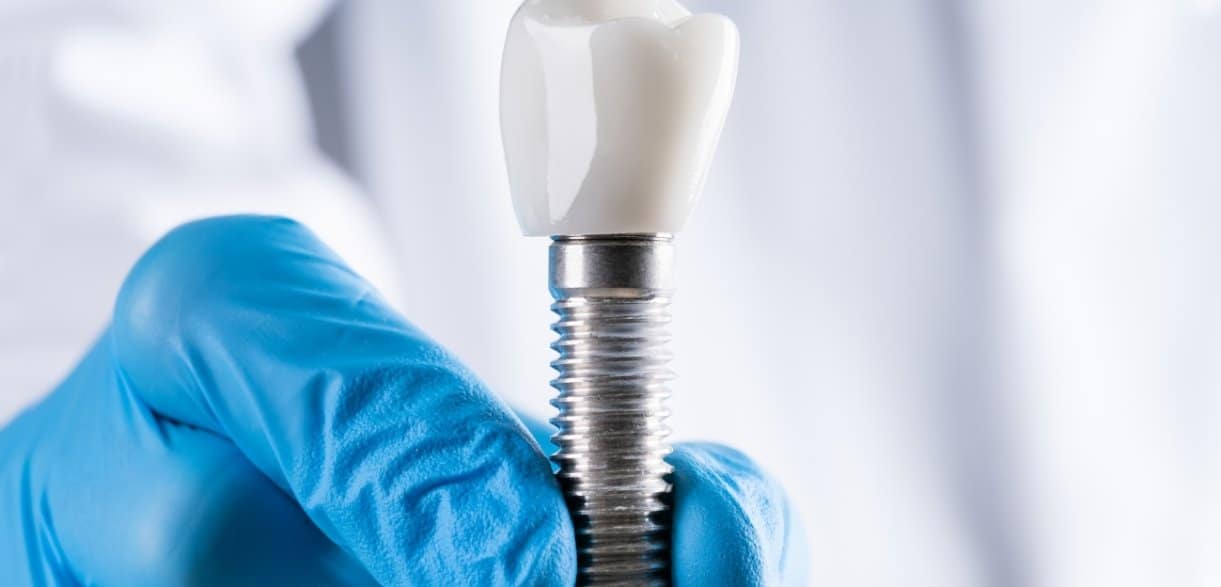
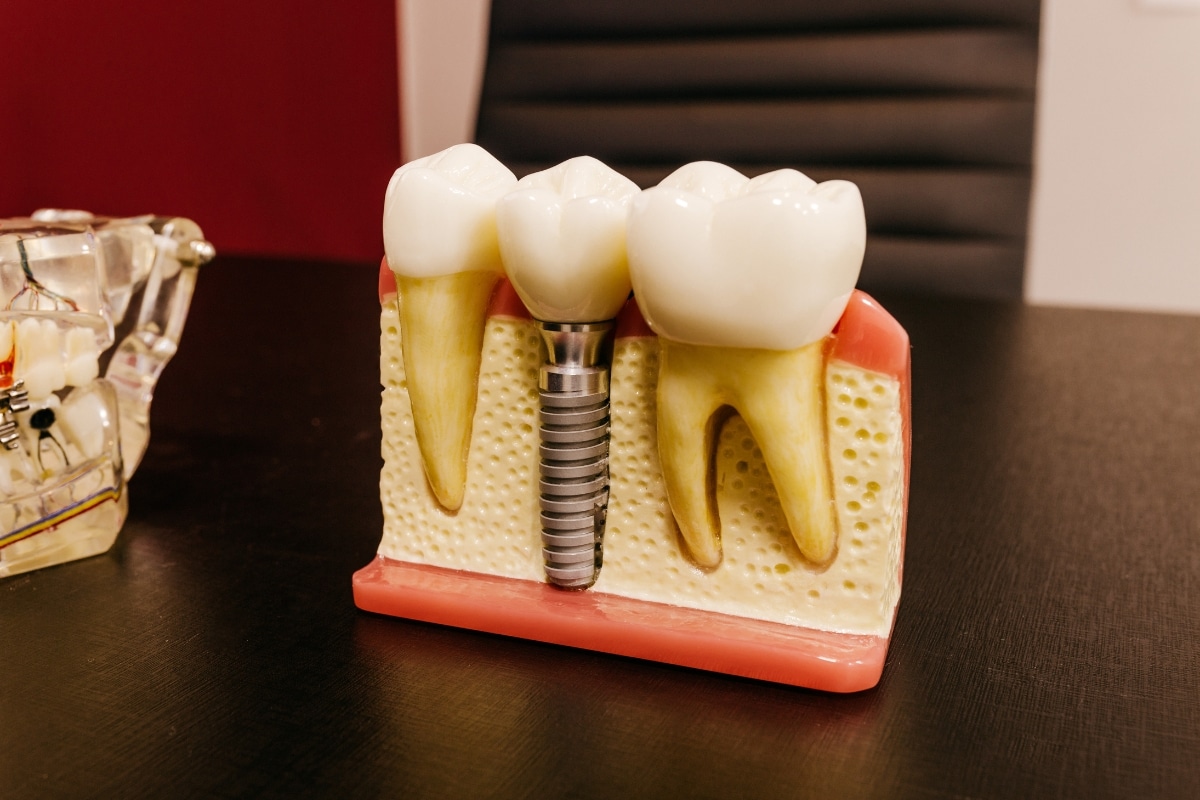
Dental implants are titanium posts that are surgically placed into the jawbone to hold in place missing teeth. The implant post serves as the root, and the crown is the visible, above-gum replacement tooth.
In addition to the abutment, bonding the post and crown, implants restore form and function. Unlike dentures or bridges, implants integrate into the jawbone through osseointegration and produce a stable, long-lasting solution.
Due to this strange process, these artificial tooth roots will be more enduring than other alternatives to tooth replacement.
How Long Do Dental Implants Last?
Dental implants in Cypress last, on average, longer than 25 years if taken care of, with many lasting a lifetime. However, there are certain factors that influence the longevity of implants.
Good oral health is crucial for the prevention of infection, which decreases the lifespan of the implant. Problems of lifestyle, like smoking, heavy alcohol consumption, and bruxism (teeth grinding), can also affect longevity.
Persons with a consistent habit routine and who follow their dentist’s recommendation have a successful implant experience. Studies show that 95% of implants remain intact after 10 years in proper care.
Why Regular Care Is Most Critical to Longevity
Good oral hygiene is critical for the longevity of dental implants. Brush and floss daily to prevent plaque formation around the implant and gum line. Maintenance visits with your dentist allow them to monitor implant health and detect any issues early.
Smoking habits and dietary deficiencies in important nutrients can cause gum disease and lead to implant failure. In addition, clenching the teeth puts excessive pressure on the implants, which can cause damage to them.
A healthy lifestyle and periodic checkups ensure trouble-free implants for several years.
Hints for Your Dental Implants Day-to-Day Care
Implants need to be brushed and flossed normally. Brush the implant area gently with a soft-bristled toothbrush and avoid any abrasive toothpaste. Flossing with specific devices, like an interdental brush or water flosser, is a method to dislodge food particles without damaging the implant.
Avoid certain habits that can damage the implants, like chewing hard objects or using your teeth as a tool. Such activities will cause a crack in the implant or crown. Proper care will prevent complications and extend the lifespan of your dental implants in Cypress.
Common Problems and How to Avoid Them
Peri-implantitis is a bacterial infection that can develop around the implant and lead to bone loss. Prevent this by maintaining good oral hygiene and visiting the dentist regularly. Loose implants can happen when the implant does not bond with the jawbone or when excessive force is exerted on the implant.
Avoid habits like teeth grinding, which loosen implants. Cracked and broken crowns are caused by biting hard foods. If this occurs, see your dentist immediately to prevent further harm to the implant.
Dental implants can be a long-term, successful solution to tooth loss if properly maintained. Maintaining clean teeth with regular oral care, lifestyle changes, and visits to your dentist keeps them healthy for the rest of your life.
By reminding yourself of these easy tips, you can make use of your implants for years to come. Should you have concerns about the health of your implants, schedule an appointment with us. Treating your implants early ensures that they remain a permanent, functional part of your smile.